
Remit Choice is authorised by the FCA in the UK and regulated by the Bank of Lithuania in the EU.
December is busy. There are gifts to buy, trips to plan and family back home counting on you. That is exactly why late November is a good time to pause and look at your money.
This year-end money check-up for expats covers seven simple areas to review. It is written for migrants in the UK, Europe, Canada, Australia and New Zealand. If you support family abroad, it is for you. You do not need to be a finance expert. You just need an hour, your banking app and a cup of tea.
Why a year-end check-up matters
When you live in one country and support people in another, your money has more moving parts. You pay rent and bills where you live. You may also cover school fees, groceries or medicines back home. Small problems can grow quietly over a year.
A short review helps you spot leaks, fix old details and plan December transfers calmly. It also means you start the new year with a clear picture, not a pile of surprises.
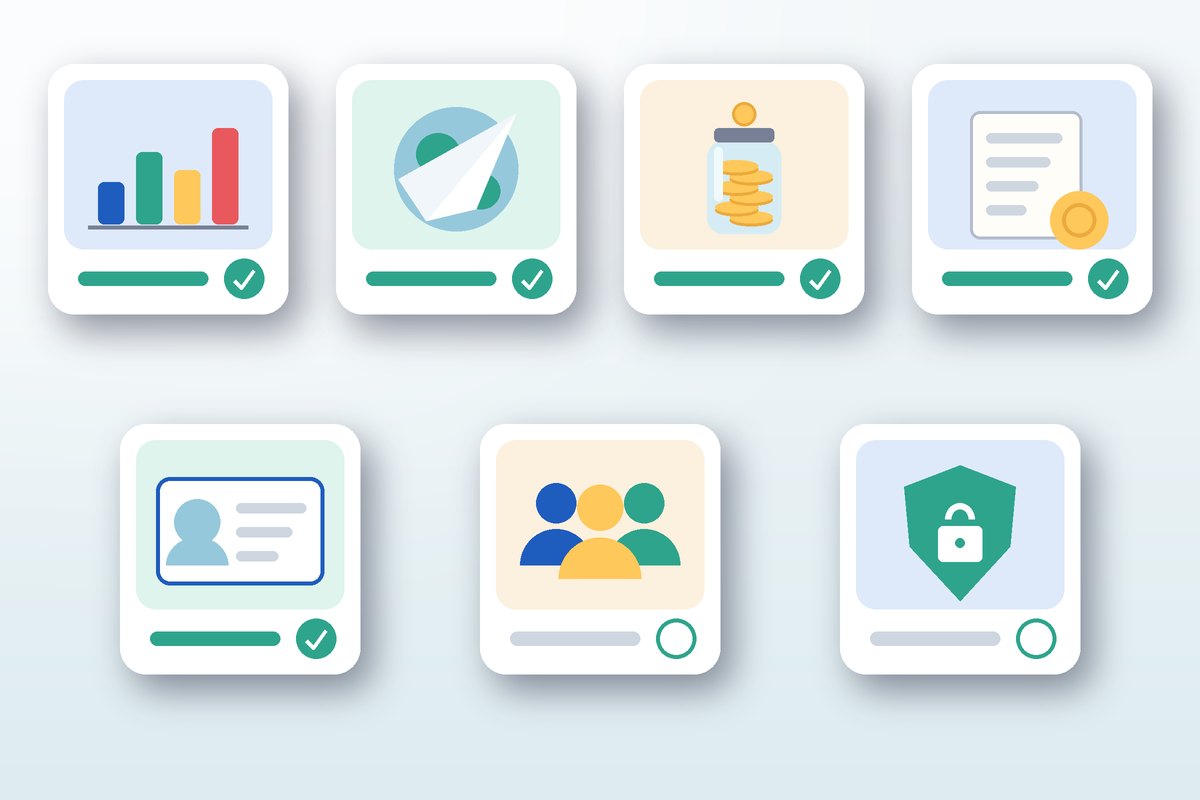
The 7 things to review before December
1. Your income, spending and budget
Start with the basics. Look at what came in and what went out this year. Most banking apps can show spending by category.
- Did your income change after a new job, more hours or a pay rise?
- Which bills went up, such as rent, energy or phone?
- Which subscriptions do you no longer use?
Then set a simple plan for next year. Decide how much goes to living costs, savings and family support. Writing it down makes it far easier to stick to.
2. What you sent home, and what it cost
Next, add up your transfers for the year. Your Remit Choice account keeps a record of past transactions. The FAQs say you can log in to check your transaction history.
Ask yourself two questions. How much did you send in total? And how much did sending cost you?
Cost is more than the fee. It also includes the exchange rate. The World Bank tracks this closely. Its Remittance Prices Worldwide site gives a global average cost of 6.36 percent of the amount sent. That figure is based on its latest published data, for the third quarter of 2025.
So it pays to compare. Remit Choice’s terms and conditions say the fee and exchange rate appear in the order preview. You see them before each transfer. You can also tap Check Rate on the app dashboard. The app lists rate alerts among its features too.
3. Your emergency fund
An emergency fund protects you and your family when something goes wrong. That could be a lost job, a car repair or an urgent trip home.
The UK’s free guidance service MoneyHelper suggests a rule of thumb. Aim for three to six months’ essential outgoings in an instant access savings account. Its example: if essentials cost £1,000 a month, aim for £3,000 to £6,000.
That can feel like a lot. MoneyHelper also says saving smaller, regular amounts is often more effective. It also suggests paying off costly debts, such as payday loans, first. Even a small standing order each payday is a strong start.
4. Tax dates and allowances where you live
Tax years do not all end on 31 December. Check the dates that apply to you. Here are official examples:
- UK: GOV.UK says online Self Assessment returns and payments are due by 11:59pm on 31 January 2027. To pay through your tax code, submit by 30 December 2026.
- UK savings: the ISA allowance is £20,000 for the 2026 to 2027 tax year. You must be UK resident to open one.
- Canada: the CRA says newcomers who arrived in 2026 must file a 2026 return by April 30, 2027. You must also report income earned outside Canada while you were resident.
- Australia: the ATO says the income year runs from 1 July to 30 June. Returns are due by 31 October.
- New Zealand: Inland Revenue says the tax year runs from 1 April to 31 March. IR3 returns are due by 7 July.
- Europe: rules and dates differ by country. Check your national tax authority’s website.
Now is a good time to gather payslips and receipts in one folder. This is general information, not tax advice. If your situation is complex, speak to a qualified adviser.
5. Your ID and immigration documents
Check the expiry dates on your passport, residence card and visa. Renewals can take time, so do not leave them until the last minute.
In the UK, eVisas have replaced physical immigration documents. GOV.UK says you can travel with your eVisa after you add your passport details to your UKVI account. So if you renew your passport, update your account too.
Your money transfer profile matters as well. Remit Choice’s FAQs say a first transaction needs government-issued photo ID. Examples include a passport, driving licence, residence card or national ID card. If your details change, you can request an update. In the app, go to Settings, then Profile, then Request for Update. On the website, use My Profile.
6. Your recipients’ details
Families change banks, phones and wallets. A detail that worked in January may be wrong by December.
Call your recipients and confirm their current details. Then check the My Recipients list in your account. The FAQs say some personal details, such as a name or contact details, may be updated where permitted.
There is one key rule. Bank account or wallet numbers linked to a completed transfer cannot be changed. To pay a new account or wallet, add a new recipient. Our guide to Remit Choice payout options explains what details each method needs.
7. Your account security
Scams are a real risk at this time of year. UK Finance’s 2026 fraud report says criminals stole £1.28 billion through payment fraud in 2025. Losses where people were tricked into sending money rose 19 per cent, to £576.4 million.
A few quick fixes help:
- Refresh your password. Remit Choice’s FAQs suggest at least 8 characters, with upper and lower case letters, digits and a special character. They also advise changing it within 6 months.
- Use biometric login. The Remit Choice app lists biometric security among its features.
- Know who really contacts you. Remit Choice says it does not contact customers through social media for transaction details unless the customer starts the conversation.
- Be wary of tax “calls”. The CRA, for example, says it will not demand payment by gift cards or cryptocurrency.
If you think you have been scammed, contact Remit Choice at [email protected], as its fraud awareness page advises.
Plan your December transfers early
Public holidays can change when banks and payout partners are open. If a payment is urgent, send it in good time.
The Europe terms explain the timing. Funds are made available “at the latest by the end of the Business Day following the Day of Receipt.” Collection also depends on the paying agent’s business hours. For some countries, services may be delayed. You can follow each transfer with Track Transfer in the app or on the website.
Going home yourself this winter? Our financial checklist before you travel covers cards, cash and family support while you are away.
Your year-end checklist
- Review this year’s income and spending, and set next year’s budget.
- Total what you sent home and compare the full cost.
- Top up your emergency fund, even by a little.
- Note your tax dates and gather receipts.
- Check ID and visa expiry dates, and update your profile.
- Confirm every recipient’s current account or wallet details.
- Refresh passwords and turn on biometric login.
Frequently asked questions
When is the best time to do a money check-up?
Any time works, but late November is ideal. You can fix problems before holiday spending and year-end deadlines begin.
Where can I see all the money I sent this year?
Log in to your Remit Choice account to see your transaction records. Track Transfer also lists your transfers and their status.
Can I change a saved recipient’s bank account number?
Not for details linked to a completed transfer. According to the FAQs, you need to add a new recipient for a different account or wallet.
How can I check today’s exchange rate?
Use Check Rate on the app dashboard, or visit the homepage of the Remit Choice website. Always review the order preview before you pay.
Does this guide replace tax advice?
No. It shares general information from official sources. For your own situation, contact your tax authority or a qualified adviser.
Who can I contact for help?
Remit Choice offers 24/7 in-app chat and email support at [email protected]. See the contact page for phone options.
Sources
- World Bank: Remittance Prices Worldwide (global average cost, Q3 2025 data)
- MoneyHelper: Emergency savings, how much is enough?
- GOV.UK: Self Assessment tax return deadlines
- GOV.UK: Individual Savings Accounts (ISAs)
- Canada Revenue Agency: Taxes made simple for newcomers to Canada (March 2026)
- Australian Taxation Office: Preparing your tax return
- Inland Revenue (NZ): Individual income tax return, IR3
- GOV.UK: eVisas, access and use your online immigration status
- UK Finance: Fraud Report 2026 insight (2025 payment fraud figures)
- Remit Choice: FAQs (transaction history, recipients, profile updates, ID, passwords, Check Rate, Track Transfer)
- Remit Choice: Terms and conditions, Europe tab (order preview, timing)
- Remit Choice: Mobile app (rate alerts, biometric security)
- Remit Choice: Social community FAQ
- Remit Choice: Fraud awareness
- Remit Choice: Contact us