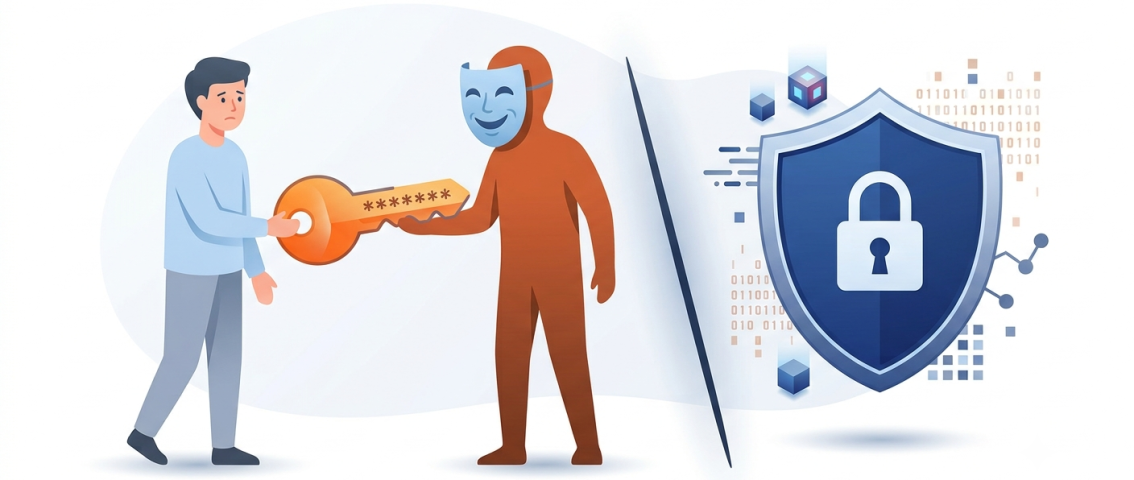
Social engineering scams pose the greatest risk to expatriates when they send money via the Internet. Fraudsters are not limited to hacking systems and stealing passwords. Rather, they engage people and persuade them to hand out their information.
These types of scams have become common nowadays. They employ emotions to get to you, so you must learn about the scams so that you can avoid manipulation.
What are Social Engineering Scams?
It is when criminals trick people into revealing their personal information. As opposed to breaking into an account, the scammers trick the individuals into sending the money themselves. For instance, the scammer may act as:
- A relative
- A bank employee
- An officer from the government
- Delivery service personnel
- Employer
- Friend in need
The objective is simple: fool you into handing out your information and giving away your money.
Common Social Engineering Tactics Used to Defraud Victims
The tactics used by fraudsters may vary by victim and/or method. However, some of the most common tactics used by these individuals are listed below:
-
Fake Emergency Call from a Relative
A scammer may call you pretending to be a family member or close friend. They will tell you they have been involved in a serious accident and need money quickly due to an emergency. In order to keep the situation confidential, they will ask you to send them money immediately.
-
Impersonation Call from Your Bank
A scammer may call you and pretend to be from your bank. Often, the scammer will tell you that your account is compromised and you need to transfer money right now. In order not to compromise your account, your actual bank will never advise you to transfer money in this manner.
-
Winning a Lottery or Prize Scam
You are notified via email or text message that you have won a particular lottery or have received a prize. However, prior to receiving your prize, you will be asked for money in taxes or for “processing fees”. Most likely, you don’t remember entering into a lottery; therefore, it would be prudent to dispute this notification with law enforcement.
-
Online Shopping Fraud
Fraudsters advertise items for sale at very low prices to entice you to send them money for the item. Once they receive payment for the item, they will not send the item.
-
Romance Fraud
It is common practice for scammers to build an online relationship with a person over time (weeks/months), then request money for an emergency/medical expenses or travel expenses. The scammers work at developing an emotional connection with their victims to gain their trust.
Warning Signs of Social Engineering Scams
Watch out for these red flags:
- Asking to send money urgently
- Creating fear by sending a message
- Phone numbers and emails that you don’t know
- Always verify deals that seem too good
- Don’t accept requests for passwords and verification codes
Always take time to verify the requests before sending money
Ways to Stay Safe
You can minimize the chances of becoming a victim of social engineering Scams by observing the following simple steps:
- Ensure the identity of the person.
- Do not ever disclose your verification code and passwords.
- Do not open links at random.
- Double-check payment details before transferring money.
- All companies provide their contacts through which you can reach them; use the company’s website and customer care contact number.
- Consult a close friend or relative in case you feel pressurized.
- Taking some extra time can help prevent the loss of money.
Safe Transfers of Money with Remit Choice
If you are making an international transfer of money, it becomes necessary to select a reliable money transfer service. Remit Choice Money Transfer str
ives to assist its customers in transferring money safely while also creating awareness about different scamming techniques.
- Before making a money transfer transaction:
- Ensure that you know the beneficiary.
- Double-check the payment details.
- Do not make money transfers if the person pressurizes or threatens you.
- Watch out for requests for urgent payments.
Concluding Remarks
The cases of social engineering scams have been growing due to the nature of the scam, as fraudsters exploit human emotions rather than technology to carry out their fraudulent activity.
Knowing the red flags, being cautious, and verifying every message will help you avoid social engineering scams. It doesn’t matter if you are paying your family abroad or transferring money to any other country; think twice before making a payment.
Using a trusted platform such as Remit Choice Money Transfer and following safe money transfer guidelines will go a long way in ensuring that your money lands in the right hands.