Skip to content
Economic Resilience and Remittances as a Safety Net
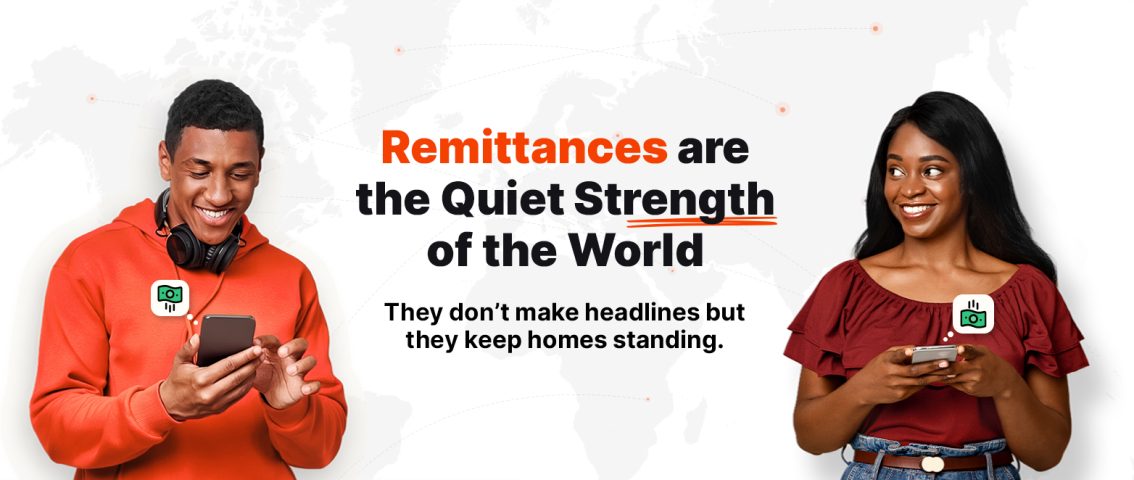
Remittances have a quiet strength that doesn’t make the news but keeps homes standing when everything else starts to shake.
It’s the worker abroad who sends money home every month that keeps a whole family, and sometimes even a whole community, going — even though economists argue about policies and projections.
That’s not just about money. That’s what resilience looks like.
A Safety Net for People
When jobs go away or prices rise faster than wages, remittances come in and fill the gap.
They pay for school, keep the lights on, and buy food.
In a lot of developing countries, these transfers have become a safety net for people that fills the gaps left by formal systems.
Interestingly, remittances often go up instead of down during global downturns.
People who live abroad send more money home when things are tough.
That’s not a market trend; that’s empathy that has become stable for the economy.
The Emotional Value of Money
The fact that remittances come from a different place is what makes them special.
They don’t do it for money or speculation; they do it for relationships, responsibility, and care.
Every transaction has a purpose — like helping a child stay in school, paying for a parent’s medicine, or rebuilding after a loss.
That human core gives remittances a kind of strength that financial systems can’t copy.
They don’t move because the market says they should; they move because people have to.
Being Strong in a World That Is Always Changing
A lot of the time, we talk about resilience as if it were a goal for policy.
But the truth is that people make it every day.
Remittances have changed from being emergency aid to being real engines of growth.
They’ve started small businesses, taught a new generation, and even changed how digital technology works in rural economies.
Fintech innovation is making that change happen faster and more clearly today.
Things that used to take days and middlemen now take seconds and trust.
Working Together
Remittances show that global resilience isn’t just about big systems; it’s also about millions of small actions that add up to something big.
Every transfer is both personal and structural.
Together, they make up a steady, human, and quietly heroic pulse of care around the world.
Final Thoughts
When things are uncertain all the time, remittances remind us that stability still has a human face.
They’re not just money going back and forth; they’re emotional investments that keep whole economies going when everything else fails.
We believe in that strength at Remit Choice, not just in the numbers but also in the people who work there.
Sending money home is more than just helping your family; it’s helping all of us stay strong.