
American moving to Australia is becoming increasingly popular thanks to its exceptional lifestyle, diverse culture, and thriving job market. Many U.S. citizens relocate for work, education, or family reasons. Australia offers safety, healthcare, and modern infrastructure — qualities that attract thousands of expatriates each year.
To understand more about immigration options, visit the Australian Department of Home Affairs for the latest policies and visa categories.
Visa Options for US Citizens
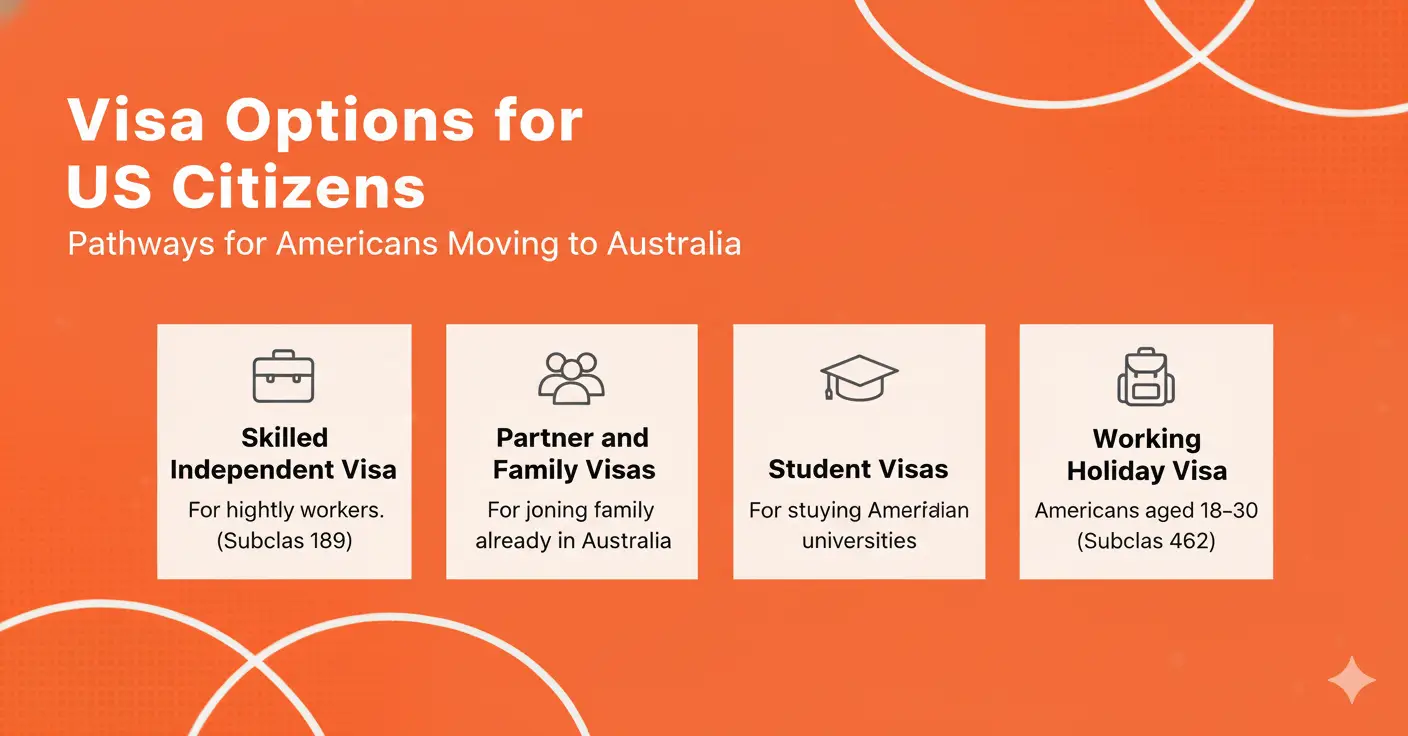
There are several visa pathways for Americans moving to Australia:
- Skilled Independent Visa (subclass 189) – for highly skilled workers.
- Partner and Family Visas – for those joining family in Australia.
- Student Visas – for studying at Australian universities.
- Working Holiday Visa (subclass 462) – for younger Americans aged 18–30.
Always verify eligibility, fees, and required documents via the Department of Home Affairs before applying.
Step-by-Step Moving Checklist
3–6 months before moving:
- Apply for your visa and prepare official documents.
- Review housing options in Sydney, Melbourne, or Brisbane.
- Research schools if relocating with family.
- Notify the IRS about your relocation (U.S. expat tax obligations apply).
1 month before moving:
- Arrange international movers and check Australian biosecurity rules for pets.
- Close or transfer U.S. bank accounts.
- Set up an online money transfer provider like Remit Choice to move funds securely.
Money & Banking Tips for Americans in Australia
Managing money abroad is crucial when you’re an American moving to Australia. Major Australian banks such as Commonwealth Bank, Westpac, and ANZ allow you to open accounts before arrival.
However, when it comes to sending money internationally, consider using Remit Choice, a trusted remittance company that lets you send money to over 70 countries with no hidden fees and competitive exchange rates.
💡 Pro Tip: Always compare exchange rates and fees before transferring. Even a small difference in rates can save hundreds over time.
Sending Money Abroad Efficiently
Expats often need to send funds home or pay international expenses. Here’s how to save more:
| Method | Typical Fee | Transfer Speed | Best For |
| Bank Wire | $20–$40 | 2–5 days | Large one-time transfers |
| Online Remittance (e.g., Remit Choice) | $0–$3 | Instant–24h | Regular remittances |
| Cryptocurrency | Varies | Fast | Tech-savvy users |
Remit Choice offers strong global coverage, local currency payouts, and 24/7 customer support — ideal for Americans living in Australia.
Housing and Cost of Living in Australia
Renting an apartment in Sydney or Melbourne can be pricey compared to the U.S., but smaller cities like Adelaide or Perth are more affordable. On average:
| Expense | Monthly Cost (AUD) |
| Rent (1BR city center) | $2,000–$2,800 |
| Groceries | $400–$600 |
| Utilities | $200–$300 |
| Public Transport | $150–$200 |
Compare cost of living differences on Numbeo to plan your budget efficiently.
Healthcare and Insurance for Expats
Australia provides universal healthcare through Medicare. Americans with permanent residency may be eligible. If not, it’s wise to buy private health insurance.
Temporary visa holders should explore providers like Bupa or Medibank for Overseas Visitor Cover (OVHC).
Taxes and Legal Obligations
Even after moving to Australia from the USA, U.S. citizens must continue filing tax returns with the IRS.
Australia and the U.S. have a Double Taxation Treaty that helps prevent paying taxes twice on the same income.
Hiring a cross-border tax specialist is highly recommended.
Moving Pets, Shipping & Quarantine
Australia has strict biosecurity laws. Visit Agriculture.gov.au to check entry requirements for dogs and cats.
Book quarantine accommodations early (typically 10–30 days) and use international movers that handle customs and inspections.
Employment Opportunities
Popular fields for American expats:
- Information Technology
- Healthcare & Nursing
- Education & Research
- Engineering & Trades
You can explore jobs on Seek.com.au or LinkedIn Australia.
If your profession requires licensing, check Australian Skills Recognition Information (ASRI).
Education Options for Children
Australia’s public education system ranks high globally. International schools in Sydney, Melbourne, and Brisbane follow IB or U.S. curricula. Compare tuition and registration timelines well ahead of moving.
Everyday Life: Driving, Communication, and Community
- Driver’s License: Check Transport Australia for state-specific conversion rules.
- SIM Card: Carriers like Optus, Telstra, and Vodafone offer expat-friendly plans.
- Community: Join Facebook groups such as “Americans in Australia” for support and networking.
FAQs
Q1: How long can Americans stay in Australia?
Depends on the visa type. Most temporary visas range from 6 months to 4 years. Check official timelines on the Department of Home Affairs.
Q2: Can Americans work in Australia?
Yes, with a valid visa that permits employment, such as the Skilled or Working Holiday Visa.
Q3: How can I send money from Australia to the USA?
Use regulated providers like Remit Choice for safe, low-fee transfers.
Q4: Do I pay U.S. taxes while living in Australia?
Yes, U.S. citizens must still file IRS returns. However, the Double Taxation Treaty ensures you don’t pay twice.
Q5: How much does it cost to move to Australia?
Typically USD $8,000–$15,000, depending on shipping, visa fees, and initial rent.
Q6: What healthcare coverage is available for expats?
Medicare for eligible residents or private coverage from Medibank and Bupa.
How Remit Choice Supports Expats
Remit Choice empowers Americans living abroad with secure, fast, and zero-fee international transfers to 70+ countries. Whether sending tuition, supporting family, or managing finances, it’s a convenient solution built for global citizens.
Conclusion
For any American moving to Australia, preparation is key — from visa applications to setting up banking and remittance services. By planning early and using reliable resources like Remit Choice, you can ensure a smooth, cost-effective transition into your new Australian life.