Remit Choice is authorised by the FCA in the UK and regulated by the Bank of Lithuania in the EU.
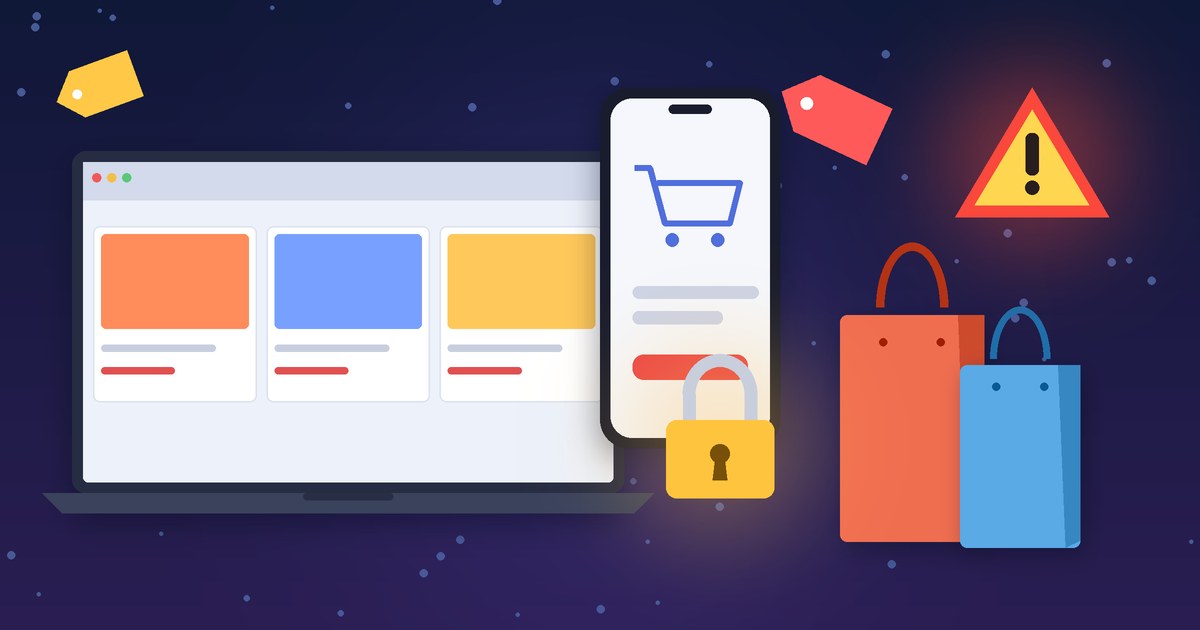
Black Friday falls on 27 November 2026. For shoppers, it means big discounts. For criminals, it means a crowd of people ready to click and pay fast. Black Friday scams use fake deals to take your money, your card details and your personal data.
This guide is for people living and working in the UK, Europe, Canada, Australia and New Zealand. It explains the common tricks, how to check a deal, and what to do if something goes wrong.
Why Black Friday is a busy time for scammers
Scammers follow the shoppers. When millions hunt for bargains at once, fake offers are easier to hide. Official figures show the scale of the problem.
- United Kingdom: £11.8 million was lost to online shopping fraud from 1 November 2024 to 31 January 2025. The figure comes from City of London Police data, shared by the National Cyber Security Centre (NCSC).
- Australia: Buying and selling scams made up 58.7% of Scamwatch reports involving a financial loss between January and September 2026. Losses to these scams in that period were $17.2 million, says Scamwatch.
- New Zealand: New Zealanders reported $68 million in products and services fraud between 1 October 2025 and 30 September 2026. That is Payments NZ data, cited by MBIE’s Consumer Protection team.
Australia’s National Anti-Scam Centre also recorded 20,353 successful takedowns of scam websites so far in 2026. It says many of them were posing as online shopping sites.
Common Black Friday scams to watch for
Most shopping scams follow a few familiar patterns. Knowing them makes the warning signs easier to spot.
Fake online shops and copycat websites
Criminals can copy a real shop’s design, logos and product photos. The NCSC warns that many use a lookalike web address that is easy to mistake for the real one. Some fake shops take your payment and never send anything. Others exist mainly to collect your card and personal details.
Fake adverts on social media
Which? warns that scammers impersonate big brands on social media to sell items that do not exist. Be careful with ads that promise free or heavily discounted products. Which? also notes that scammers use AI-generated images and deepfake videos to look more convincing.
Phishing emails, texts and delivery messages
Unexpected emails and texts about “exclusive” deals often lead to fake websites. Fake delivery texts are common too, because many people are waiting for parcels. These messages may ask you to rearrange delivery or pay a small fee. The real goal is to collect your card details or install harmful software.
Requests to pay outside the normal checkout
The Canadian Centre for Cyber Security lists requests to pay by e-transfer, gift card or cryptocurrency as a red flag. The same applies to any request to “refund an overpayment”. A genuine shop uses a normal, secure checkout.
How fake discounts put your personal data at risk
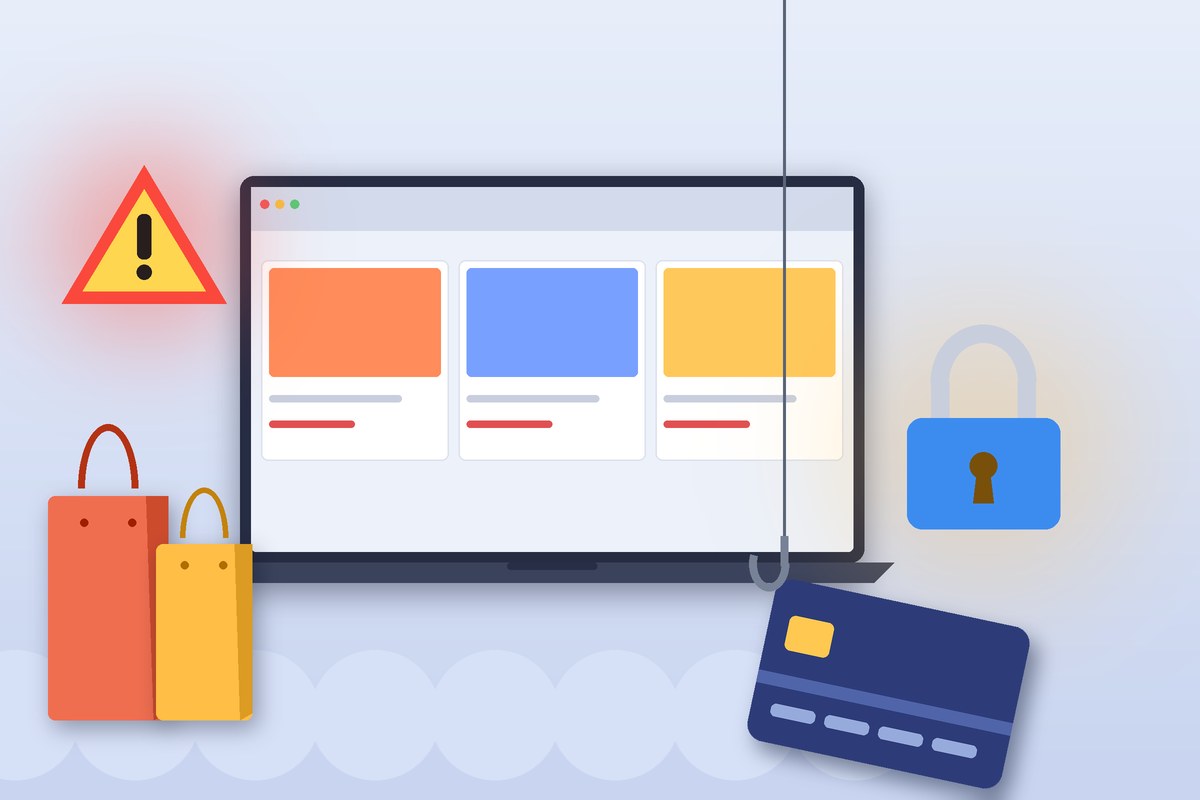
A fake deal is not only about losing the price of one item. Many scam shops are built to collect information. That can include your name, address, phone number, card details and account passwords.
Which? explains that stolen details can be used later in more elaborate scams. For example, a criminal may call you, pretend to be your bank and push you to move money. Remit Choice’s own Fraud Awareness guide describes the same pattern. It warns that fraudsters may pose as banks or the police by phone, which is known as “vishing”. They may also send fake emails that lead to fake banking websites.
If you reuse one password everywhere, one fake shop can open the door to your other accounts. This is why the NCSC asks shoppers to use strong, unique passwords and turn on 2-step verification.
How to check a deal before you pay
Australia’s National Anti-Scam Centre sums it up in three words: stop, check, protect. Here is how to put that into practice.
Stop and slow down
Countdown timers and “only two left” messages are designed to rush you. The European Consumer Centres Network calls these tricks “dark patterns”. Ask yourself whether you would still want the deal without the pressure. A real bargain will usually still be there after a short check.
Check the shop and the web address
- Type the shop’s address yourself instead of clicking a link in an ad, email or text.
- Read the web address carefully, letter by letter.
- Look for clear contact details, a returns policy and a privacy policy.
- Read reviews on independent sites, not only on the shop’s own page.
Look for “https” and a padlock in the address bar before entering card details. But remember the padlock alone does not prove a shop is genuine. The Canadian Centre for Cyber Security and Netsafe both make this point.
Check the price is a real discount
In the EU, a promotional price must be the lowest price charged in at least the previous 30 days. The European Consumer Centres Network explains this rule. Watching a product’s price for a few weeks can reveal a fake “sale”.
Pay in a way that protects you
The NCSC advises using a credit card if you have one and never paying by direct bank transfer. Check out as a guest where you can. Do not let the shop or your browser save your card details. Only fill in the details the shop actually needs.
Keep your money transfer account safe too
Many of our customers send money to family abroad. Your transfer account deserves the same care as your bank account. A few simple habits help protect it:
- Use only the official website, remitchoice.com, or the official Remit Choice app from Google Play, the App Store or Huawei AppGallery.
- Do not click links in emails or texts you do not trust. Go to the website or app yourself.
- Make your PINs and passwords hard to guess, and change them right away if you think someone knows them.
- Remember that Remit Choice does not contact customers through social media for transaction details unless the customer starts the conversation.
- Never send money to a seller or stranger you have not checked. As our Fraud Awareness guide says, you need to know who you are sending money to.
For more tips, read our guides on how to protect your Remit Choice account and fake customer support scams.
What to do if you think you have been scammed
Act quickly. First, contact your bank or card provider to stop or dispute the payment. If you shared a password, change it and turn on 2-step verification. Then report the scam where you live:
- England, Wales and Northern Ireland: Report Fraud (formerly Action Fraud), online or on 0300 123 2040. In Scotland, call Police Scotland on 101. You can forward scam texts to 7726.
- Canada: the Canadian Anti-Fraud Centre, online or on 1-888-495-8501.
- Australia: ReportCyber and Scamwatch. IDCARE can help if your identity details were taken.
- New Zealand: Netsafe.
- Europe: your national police or consumer authority. The ECC Network advises reporting fake promotions to national authorities.
If you suspect a scam involving your Remit Choice account or a transfer, email [email protected].
Frequently asked questions
How can I tell if a Black Friday deal is fake?
Be wary of very large discounts, countdown timers and unfamiliar shops. Check the web address, contact details and independent reviews. If the deal came through an ad or message, visit the shop’s website yourself instead.
Is a website with a padlock always safe?
No. The padlock means your connection is encrypted. It does not prove the business is genuine. Scam shops can have a padlock too.
What is the safest way to pay online during Black Friday sales?
UK guidance from the NCSC recommends a credit card where possible and never paying by direct bank transfer. Avoid gift cards, cryptocurrency and payments outside the normal checkout.
Will Remit Choice contact me on social media about my transfer?
Remit Choice does not contact customers through social media for transaction details unless the customer starts the conversation. If you see a suspicious account, use the official contact options on remitchoice.com.
Where can I report a scam linked to Remit Choice?
Email [email protected]. Also tell your bank and your national reporting service. See our Fraud Awareness page for more guidance.
Sources
- NCSC, 17 November 2025: Bargain hunters urged to stay alert to cyber scams ahead of holiday shopping season
- NCSC: Shopping and paying safely online
- Scamwatch (National Anti-Scam Centre), 3 November 2026: When the shopfront is a scam
- MBIE Consumer Protection press release via Scoop, November 2026: $68 million reported in online shopping scams
- Canadian Centre for Cyber Security, October 2026: Shopping online safely (ITSAP.00.071)
- Which?, 20 November 2025: 4 ways scammers exploit Black Friday
- European Consumer Centres Network: 5 tips for safe shopping on Black Friday
- Netsafe: Shopping online safely
- Report Fraud, 4 December 2025: Report Fraud service goes live
- Remit Choice: Fraud Awareness