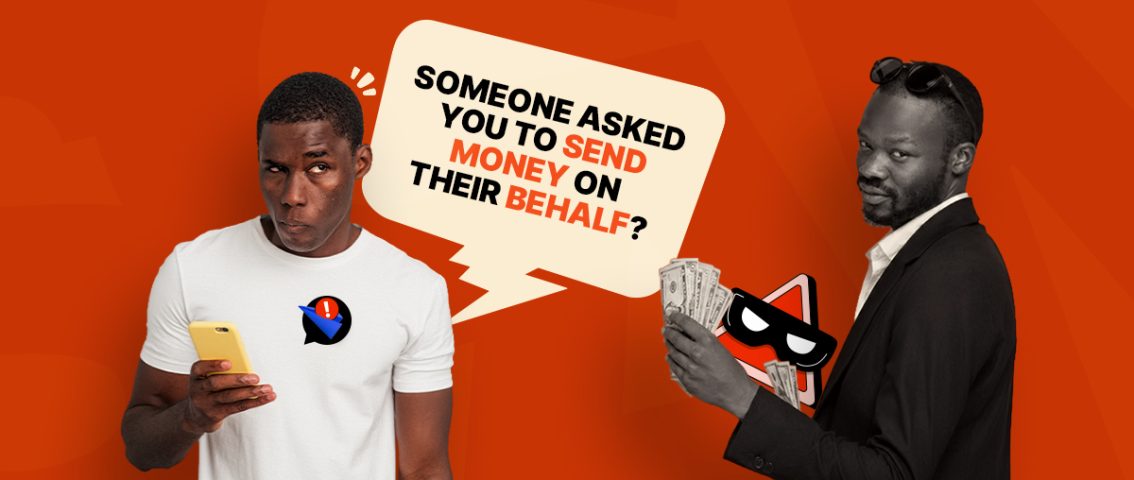
Living as an expat, have you ever been asked to transfer money to a friend, online contact, or even a stranger on their behalf? It may sound like an easy task, but it could be a sign to watch for to protect yourself from a money mule scam.
Expats are an easy target for scammers. They approach people who can move money through their personal bank accounts or online transfer platforms. They may promise you extra pay or something in return. create a situation to get you to cooperate. Even if you do not realise the money is connected to fraud, sending it can put you at big risk.
What Is a Money Mule Scam?
A money mule scam involves moving or sending money. The money is generated from fraudulent or illegal activities.
A scammer may ask you to do a favour to receive money and transfer it to another account, act like an expat and ask you to transfer money back home, withdraw cash, or purchase something on their behalf. They might say they cannot use their card for some reason and ask you to make the transaction, or they will pay you.
If it seems unusual, stop and get clarity before proceeding.
Warning Signs to Watch For:
Noticing every act and recognizing suspicious activity can help protect your money and personal information. Be careful if someone asks for:
- Offer you something
- Asks you to send money using your personal bank or money transfer platform.
- Asking for a favour to send money back home.
- Shows some emergency and pushes you to complete a transaction right now.
- Makes excuses or tells you to keep the transaction secret.
- Overexplains the situation for the payment.
A genuine request should not require you to ignore your concerns or act; don’t react without understanding the purpose of the transaction.
Long-Term Impact of Money Mule Scam on Expats
Legal risks:
- Immigration authorities can cancel your visa, forcibly remove you from the country, and permanently ban travel to other countries.
Financial Risk:
- Your savings and bank accounts are frozen. Your name will be shown on a global banking blacklist. You will face forced debt before being deported.
Personal Risks:
- It’s the biggest fallout for your personal and professional life.
How Can You Protect Yourself?
- Never send or receive money on behalf of others.
- Don’t give anyone your bank details to transfer money.
- Never share your PIN, Password, or OTP.
- If you receive an unexpected amount, contact your bank instead of sending it back.
Remember: You are responsible for moving stolen money, even if you don’t know.
Think Before You Send
A request to send on their behalf. It can seem innocent enough but could have disastrous results. Always be on guard against requests and double-check suspicious ones. Do not be pressured or unduly influenced into sending money on someone else’s behalf.
Remit Choice encourages its customers to be informed and make wise decisions when sending or receiving money.